


30.06.2023 – Tempo di lettura: 6 minuti www.egm.it no profit by www.biodiritti.org – link d’invito per leggere in Telegram altri articoli di divulgazione Scientifica di Biodiritti by Egm.it No Profit.
Arezzo pianifica la Medicina Legale Clinica. Consenso, e Rifiuto di cure anche salvavita a favore di trattamenti alternativi. Disposizioni anticipate di trattamento (DAT), pianificazione condivisa delle cure (PCC) e il ruolo del fiduciario, legge 219 del 2017
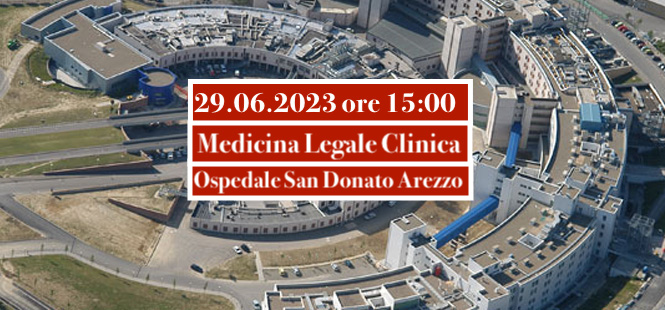
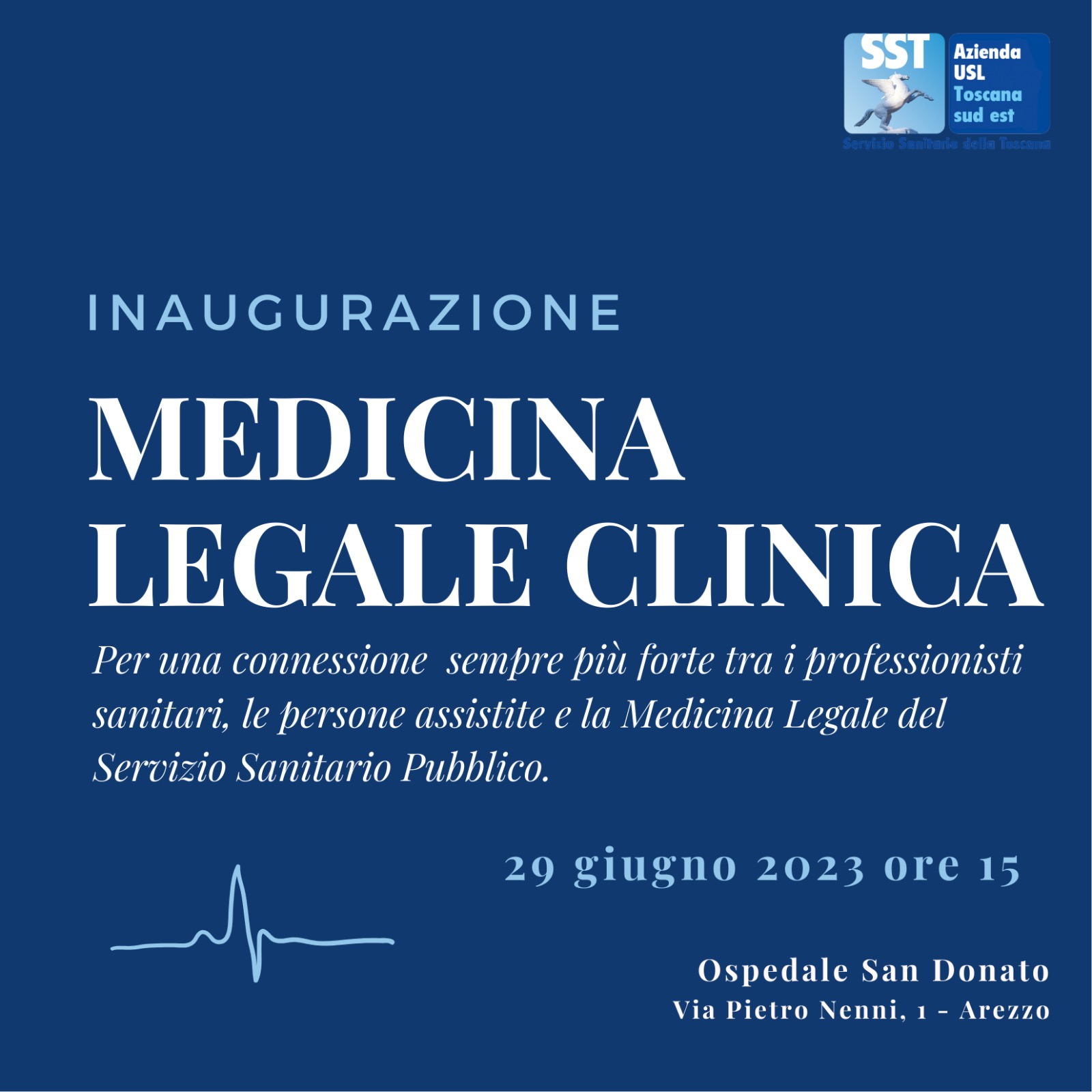
Giovedi 29 giugno 2023 ore 15:00 si è inaugurata ad Arezzo, presso l’Ospedale San Donato, la gestione Medico Legale Clinica e d’Iniziativa. La Asl Tse è la prima azienda sanitaria pubblica in Italia ad aprire un servizio di Medicina Legale Clinica Ospedaliera in un ospedale pubblico, non universitario. È il proseguo dell’esperienza degli anni ’90 in cui, afferma il prof. Pasquale Giuseppe Macrì, “l’Ospedale di Arezzo fu il primo in Italia a istituire un Comitato Etico Locale e affrontare la medicina senza sangue per i testimoni di Geova”.
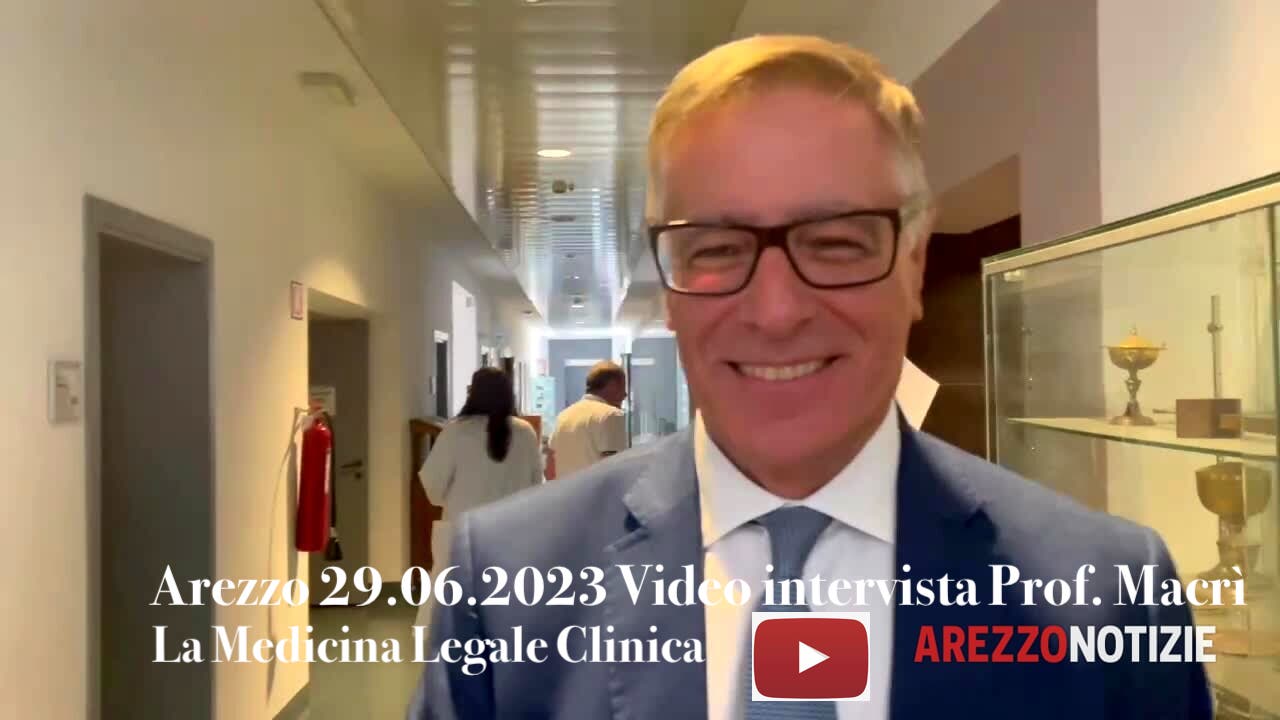
Un primato inaugurato oggi alla presenza del responsabile della direzione sanità welfare e coesione sociale della Regione Toscana Federico Gelli, dell’assessore alla salute Simone Bezzini e del sindaco di Arezzo Alessandro Ghinelli. A fare gli onori di casa Antonio D’Urso, direttore generale Asl Tse. «Da oggi la Medicina legale entra in ospedale fino al letto del paziente – dichiara Antonio D’Urso – Il progetto del prof. Macrì è innovativo e per la prima volta porta i medici legali in corsia con un approccio proattivo nei confronti degli utenti fragili, spesso ignari dei propri diritti e delle possibilità che hanno a disposizione. È un progetto nel quale ho creduto fermamente sin dal primo momento perché capace di aiutare le persone, i nostri utenti, ma anche prevenire potenziali azioni legali contro il sistema sanitario. Intercettando criticità e problematiche possiamo porvi rimedio e trovare soluzioni adeguate per i nostri pazienti» «Abbiamo formalizzato – spiega il Prof. Pasquale Giuseppe Macrì – quello che già in parte accadeva ma che non c’è in nessun ospedale del servizio sanitario pubblico, eccetto negli ospedali connessi alle università, e che consiste nel portare, quando occorre, i medici legali a fare consulenze al letto del paziente come avviene per gli altri specialisti quali cardiologi, gastroentorologi, neurologi. Un’attività su questioni prettamente medico legali come, ad esempio, l’espressione di consenso e dissenso, finalizzata a fare informazione su quei casi clinici che presentino rischi o problematiche medico-legali che potrebbero poi portare a contenziosi che, invece, è meglio prevenire ed evitare piuttosto che affrontare successivamente». Federico Gelli, estensore per la nota legge che porta il suo nome, ha sottolineato l’importanza del lavoro svolto dal professor Macrì. «Come riconoscimento della grande esperienza e della spinta innovativa portata dal prof. Macrí nel SSN, ed oggi confermata – ha detto Gelli – la Regione lo ha nominato Responsabile del rischio clinico regionale»«È una iniziativa di particolare valore per il carattere innovativo che assume – ha detto Simone Bezzini – che permette alla medicina legale di passare da un atteggiamento reattivo ad uno proattivo in cui si cerca di andare incontro anche alle problematiche che pongono i pazienti puntando sulla relazione fra questi e i professionisti. Una iniziativa di grande valore perché avvicina il sistema sanitario alle persone» L’attività di consulenza avrà luogo presso il reparto di degenza e/o nelle stanze dedicate all’interno della struttura ospedaliera, ovvero in modalità di teleconsulenza. Si affronteranno con tale gestione e consulenza tutte le tematiche sul consenso, dissenso e rifiuto alle cure anche salvavita e ai trattamenti alternativi, disposizioni anticipate di trattamento (DAT), pianificazione condivisa delle cure (PCC) e il ruolo del fiduciario, così come individuati dalla legge 219 del 2017 concernente le “Norme in materia di consenso informato e di disposizioni anticipate di trattamento”. Oggi più che mai indispensabile vista la pressione insolita che grava sul personale sanitario, insufficiente come numero e i pazienti sempre più confusi nell’affrontare i vari percorsi della salute, spesso sconcertanti. La Medicina Legale Clinica si pone al centro di azioni di miglioramento volte alla gestione del rischio clinico, alla sicurezza delle cure e al tutelare al meglio i diritti dei pazienti e degli esercenti le professioni sanitarie.
Questa nuova eccellente iniziativa della UOC Medicina Legale diretta dal Prof. Pasquale Giuseppe Macrì pone in evidenza la coscienza bioetica, giuridica e deontologica con la quale ha sostenuto, fin dal 1996, la rivoluzione che pone il paziente al centro decisionale con il diritto al dissenso informato di terapie anche salvavita. Colmando il totale disequilibrio nel rapporto di cura paternalistico a favore del medico che si trincerava dietro ad un ipotetico stato di necessità per violentare la coscienza e le libere scelte del paziente. Tema senz’altro divisivo, affrontato con pregiudizio per decenni nella comunità scientifica, dottrina giuridica e nella prassi giurisprudenziale. Oggi finalmente molte sentenze stanno dando pieno riconoscimento a leggi e consuetudini mediche moderne a favore della completa autodeterminazione del malato che Il Prof. Macrì, ha, con coraggio e per decenni, favorito con il relativo riconoscimento alla completa autodeterminazione del paziente, unico chiamato a decidere quali trattamenti sanitari accettare e quali no. Ha considerato da decenni anche il dissenso alle Emotrasfusioni dei Testimoni di Geova, una lotta servita al progresso civile della medicina e del diritto a favore della dignità delle persone. Tali prese di posizione hanno consentito di avere una Buona Legge sul Buon Uso del sangue e il progressivo riconoscimento dei BioDiritti avvalorati dalla BioEtica più attuale come le DAT (Disposizione Anticipata di Trattamento) regolamentate dall’art. 4 della Legge 219 del 22 dicembre 2017, entrata in vigore il 31 gennaio 2018. Utile a Medici e Malati quando non siamo più in grado di riconfermare la nostra volontà, già precedentemente espressa in condizioni di lucidità, su cure rifiutate come trattamenti salvavita o per malattie che costringano a trattamenti o accanimenti permanenti con macchine o sistemi artificiali che impediscano una sia pur minima vita di relazione. Da Aprile 2023 il Prof. Pasquale Giuseppe Macrì fa parte del tavolo tecnico istituto dal Ministero della Salute dedicato all’approfondimento delle questioni relative al danno alla persona “Non patrimoniale”.Dal 2022 è Membro del Comitato Tecnico Scientifico del Parlamento Europeo di Bruxelles. Estensore come Coordinatore del Comitato Etico USL8 della carta USL8 di Arezzo sui rifiuti di trattamenti Salvavita del 2007 e della Carta sul Rifiuto delle Emotrasfusioni del 2000. (Curriculum Prof. Pasquale Giuseppe Macrì).
Grazie alla Medicina Legale Clinica e d’Iniziativa, ai pazienti potranno essere fornite informazioni in merito alla possibilità di riconoscimento di prestazioni previdenziali (invalidità civile, indennità di accompagnamento, indennità di frequenza, stato di handicap…) o per l’accesso alla certificazione di carattere medico-legale (valutazione della idoneità alla guida, certificazione di grave patologia, certificazione per rilascio di contrassegno disabili…). Una connessione diretta e ancor più completa tra l’Ospedale, gli Operatori Sanitari e i pazienti con l’attività propria della Medicina Legale del Servizio Sanitario. Attività nella quale si è sempre distinta la Medicina Legale di Arezzo, anche nei risvolti giuridici, deontologici ed etici. Già da molti anni il Prof. Macrì ha sempre avuto l’obiettivo di fornire un’attività di consulenza e informazione agli operatori sanitari e pazienti, specialmente di fronte al rifiuto di trattamenti salvavita. Finalmente viene formalizzata, come già accade per le altre discipline specialistiche, questa indispensabile consulenza medico legale clinica. Verranno affrontate, con un percorso specifico, le questioni di interesse medico-legale che dovessero insorgere nella pratica clinica come il Consenso e Dissenso o Rifiuto cure. Avvio delle procedure di richiesta dell’amministrazione di sostegno. Attraverso l’attività di consulenza, agli operatori sanitari potranno essere poste in evidenza eventuali criticità nel percorso clinico-assistenziale. La precoce implementazione di azioni di miglioramento sono volte alla gestione del rischio clinico, alla sicurezza delle cure e al tutelare al meglio i diritti dei pazienti e degli esercenti le professioni sanitarie. L’attività di Medicina Legale Clinica e d’Iniziativa si ispira ad una nuova concezione del rapporto con i cittadini, volta alla informazione e alla conseguente immissione nel percorso del riconoscimento di BioDiritti. Perché si sviluppi in senso propositivo e attivo e non esclusivamente a fronte delle istanze dell’utente. In tal senso, è stato istituito un percorso di collegamento con le Unità Operative e il Territorio allo scopo di individuare precocemente i bisogni dell’utenza. Rispondere con una presa in carico più matura, avanzata e solidale con particolare riferimento ai soggetti fragili che, per loro condizione, più frequentemente sono esclusi dall’accesso al riconoscimento dei diritti in ambito sanitario. Tali processi sono resi fruibili grazie alla collaborazione di tutti gli esercenti le professioni che si renderanno attori nell’attivazione dei percorsi utili al riconoscimento dei diritti e alla tutela dei soggetti fragili.
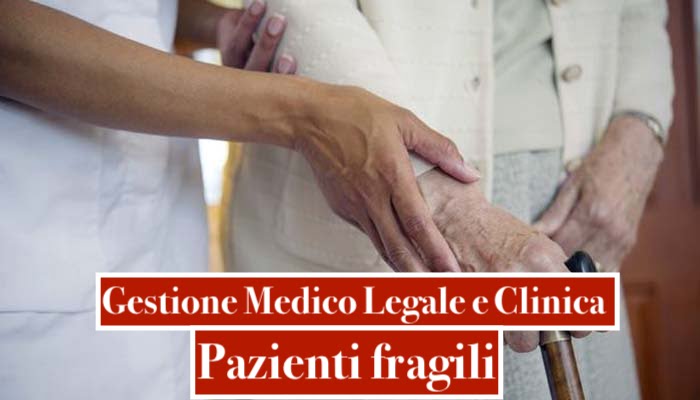
A fronte della segnalazione dei soggetti fragili, è prevista la presa in carico e valutazione degli Specialisti operanti presso la UOC di Medicina Legale al fine di evidenziare la sussistenza degli eventuali requisiti per il riconoscimento di determinate prestazioni riferibili alla attività medico-legale del Servizio Sanitario, fornendo informazioni in merito alle modalità e tipologia di richieste da presentare ovvero, qualora possibile, erogando direttamente le prestazioni all’avente diritto. La Medicina Legale del Servizio Sanitario Nazionale Pubblico, nella sua contemporanea accezione di medicina giuridica – quale ponte tra mondo medico e giuridico – ha il compito di fornire soluzioni e prevenire le diverse situazioni in cui i soggetti necessitino di un supporto in ambito sanitario e assistenziale nel riconoscimento e godimento dei propri diritti.
ll Comitato Etico della REDAZIONE vigila che ogni articolo contenga Informazioni e Divulgazione Scientifica libera da conflitti di interesse. Le citazioni sono controllabili tramite Link sottolineato. Le notizie del sito sono utilizzabili e riproducibili, a condizione di citare espressamente la fonte: www.egm.it no profit by www.biodiritti.org No Profit o le fonti collegate in questo articolo.